The More You Censor, the Wilder It Gets
Push people far enough underground, and they start building tunnels. That’s the dirty secret of censorship: it doesn’t just shut people up—it drives them deeper.
The dark web wasn’t born from curiosity. It was born from restriction, repression, and the need to speak, trade, or exist beyond the chokehold of governments and platforms.
And while the surface web’s been bubble-wrapped and neutered, the dark web has become the chaotic, unfiltered, often uncomfortable spawn of excessive control.
This is the part of the internet they don’t want you to see. So, naturally, it’s where we’re going.
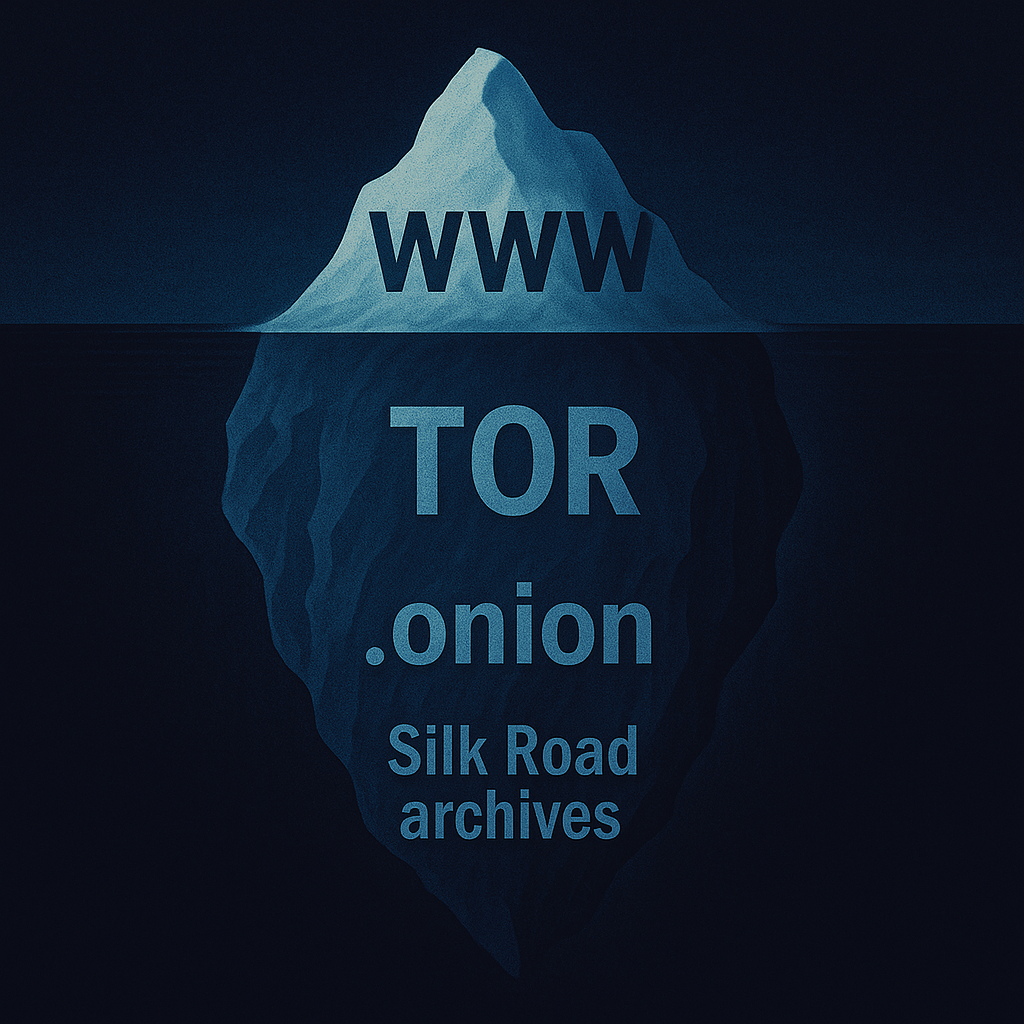
Wait—What the Hell Is the Dark Web?
Let’s get definitions straight:
- Surface Web: Your grandma’s internet. Google, Wikipedia, Amazon. Crawled and indexed. Boring.
- Deep Web: Everything behind a login. Email inboxes, bank accounts, cloud docs. Hidden, but not shady.
- Dark Web: The locked basement. Requires special browsers (like Tor) and access to sites with .onion domains. Anonymous. Unindexed. Unapologetic.
It’s not illegal to access the dark web. But what you do there? That’s where the fun begins.
Why the Dark Web Exists (Hint: It’s Your Fault, Governments)
People didn’t wake up one day and decide to use Tor for shits and giggles. The dark web exists because the open web is no longer open.
Here’s what drives users underground:
- Journalists & whistleblowers avoiding surveillance
- Citizens in authoritarian states looking for uncensored news
- Political dissidents needing a lifeline
- Researchers poking where they’re not supposed to
- And yes… criminals doing criminal things
But lumping all dark web users into the “evil hacker” bin is a lazy cop-out. The truth is this: when censorship rises, so does demand for shadow zones.
The Censored Fuel the Flames
The dark web isn’t just a haven for crooks—it’s also a library of banned knowledge.
- Archives of blocked news sites
- Leaked government documents
- Whistleblower platforms like SecureDrop
- Banned books and forbidden forums
- Entire black markets of information the surface web won’t touch
The Silk Road wasn’t just a drug bazaar. It was a middle finger to financial surveillance. And even after it was taken down, a dozen new markets popped up in its place.
Because here’s the golden rule of censorship:
The more you clamp down, the more resistance you breed.
The Irony Is Delicious
Governments love to fearmonger about the dark web. “It’s dangerous! It’s illegal! It’s full of terrorists!”
But let’s be honest—they made it necessary.
When encryption is demonized, anonymity is criminalized, and information is sterilized, the dark web becomes the last frontier of digital freedom, even if it’s messy, chaotic, and unfiltered as hell.
And that’s the tradeoff:
If you want the truth, you might have to swim past some sharks.
Should You Go There?
That depends.
If you’re curious? Go for it.
If you’re trying to hide? It might help.
If you’re just looking for weird, raw, uncensored reality? You’re in the right sewer.
But don’t be naive. The dark web isn’t your friend—it’s a force of nature. No safety net. No algorithm to protect you from content warnings. No platform bans to police “tone.”
You’re on your own. And maybe that’s the point.
At BlockedPages.com, We Don’t Fear the Dark
We document the places where freedom still breathes—even if the air is thick.
Because when you push the truth underground,
you better believe it’s going to come back swinging.